
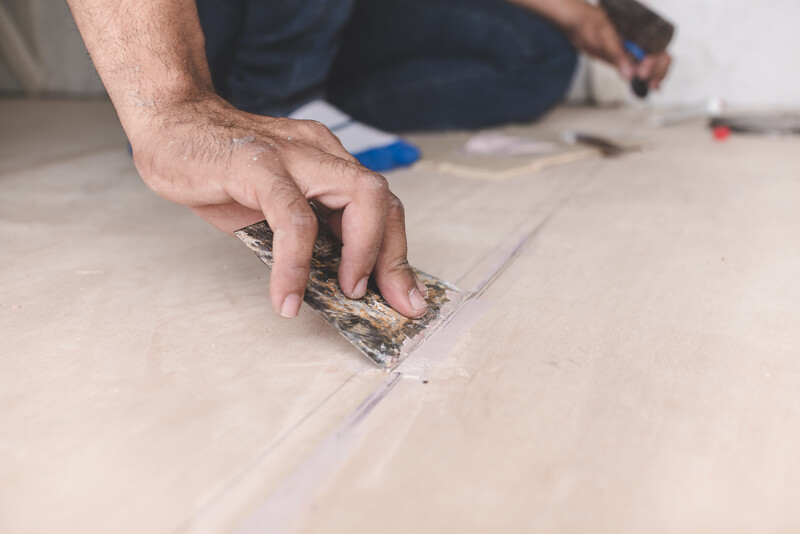
If you’re reading this, chances are you’re tired of gaps in your floorboards. Maybe they’ve sneaked up on you over time, or perhaps a DIY fix just hasn’t held up. Those widening cracks can let in draughts, collect dirt, or even make your floor feel less sturdy.
If you’re nodding along, you’re not alone. Gaps in floorboards are one of the most common frustrations homeowners face, particularly in period properties across London and the UK. What starts as a minor cosmetic annoyance can quickly escalate into a genuine problem affecting your home’s warmth, energy efficiency, and aesthetic appeal.
At Floor Sanders London, we understand your frustration. You didn’t spend good money on beautiful wooden floors just to end up with unsightly gaps and annoying upkeep. The good news? Those gaps between floorboards aren’t a permanent sentence for your flooring. With the right approach and professional expertise, your floors can be restored to their former glory.
Why Are the Gaps Getting Bigger Anyway?
Before you jump into filling them, it helps to know why the gaps are growing:
Seasonal Moisture Fluctuations
The primary culprit behind expanding gaps in wooden floors is variation in moisture content. During the winter months, central heating systems significantly reduce indoor humidity levels. As the air becomes drier, wooden floorboards release moisture and contract. Come summer, when humidity increases, the boards absorb moisture and expand again. This continuous cycle of expansion and contraction creates stress on the wood, and over time, the gaps become more pronounced.
Age and Wear
Historic floorboards have character, but they’ve also endured decades of foot traffic, furniture movement, and environmental stress. The natural wear process causes boards to shrink slightly over time. Additionally, the original installation methods used in period properties often allowed more movement than modern techniques, meaning gaps in floorboards can develop or worsen as the years pass.
Central Heating Impact
Modern heating systems, whilst wonderfully comfortable, are brutal on traditional wooden floors. The consistent, dry heat they produce accelerates moisture loss from timber, leading to more significant shrinkage than homes would have experienced when they were originally built. If you’ve recently upgraded your heating system, you might notice gaps in wood floor boards appearing or worsening shortly afterwards.
Subfloor Issues
Sometimes, the problem isn’t just the boards themselves. Inadequate subfloor ventilation, rising damp, or structural movement can all contribute to problematic gapping. If gaps are accompanied by squeaking, bouncing, or unevenness, there may be underlying issues that need addressing before any surface treatment.
Should I Fill the Gaps Between Floorboards?
Great question. Many of our customers wonder: “Do you need to fill gaps in floorboards at all?” Here’s how to think about it:
- Yes, if you’re feeling draughts or seeing dirt and debris: Filling helps reduce
airflow and dust accumulation and even improves insulation.
- Maybe, if it’s purely cosmetic, some gaps are aesthetic. If they don’t bother
you (or you don’t live above a cold room), leaving them may be fine.
- Carefully, if they’re very wide or structural: Very large gaps may indicate deeper issues — and a simple filler won’t always suffice.
Professionals like us at Floor Sanders London typically recommend gap filling during a full floor restoration. That way, we can sand, fill, and reapply the finish to leave a seamless and robust result.
Popular DIY Methods for Filling Gaps in Floorboards (And Why They Often Disappoint)
We understand the appeal of tackling floorboard gaps yourself. There’s no shortage of advice online, and the DIY approach seems cost-effective. But here’s the uncomfortable truth: most DIY methods provide only temporary relief and can sometimes worsen the problem.
Wood Filler Products
Wood filler products are rigid once cured. Your floorboards, however, continue their seasonal expansion and contraction. This movement causes fillers to crack, shrink, and eventually fall out, leaving you back where you started within months. Additionally, achieving a convincing colour match is surprisingly difficult, often resulting in conspicuous lines running across your floor.
Papier-Mâché and Newspaper Methods
Some guides recommend mixing PVA glue with shredded newspaper to create a paste for filling floorboard gaps. Whilst this is inexpensive, it’s also messy, time-consuming, and produces inconsistent results. The mixture doesn’t bond properly to the wood, deteriorates quickly, and looks decidedly amateur once dried. If you’re hoping to maintain your property’s value and appearance, this approach is a false economy.
Rope and Caulk Techniques
Pushing rope into gaps before applying sealant on top is another popular suggestion. This can work reasonably well for very wide gaps, but it requires meticulous preparation, the right materials, and considerable patience. Get the technique wrong and you’ll have unsightly bulges, uneven surfaces, or sealant that peels away from the boards.
The Hidden Costs of DIY
Beyond the questionable longevity of DIY repairs, there are hidden costs. Many homeowners spend weekends labouring over their floors, purchasing multiple products as initial attempts fail, and ultimately feeling frustrated with substandard results. The materials cost mounts up, and if you eventually call in professionals, you may need to pay extra to have poorly executed DIY repairs removed before proper work can begin.
More concerning, inappropriate gap-filling methods can trap moisture, potentially leading to rot or pest infestation beneath your floors. What begins as a money-saving exercise can escalate into a far more expensive problem.
Professional Solutions That Actually Last
When you work with experienced floor restoration specialists, you’re accessing techniques and materials that simply aren’t available or practical for DIY enthusiasts. Here’s what professional gap-filling actually involves:
1. Proper Assessment First
Before filling a single gap, professionals assess your entire floor. We examine the subfloor condition, check moisture levels, evaluate ventilation, and identify any structural issues. This comprehensive approach ensures we’re addressing causes, not just symptoms. If gaps are caused by inadequate ventilation or moisture problems, simply filling them won’t solve anything long-term.
2. Specialist Filling Methods
Professional gap-filling uses flexible resins specifically formulated for timber floors. These materials move with the wood’s natural expansion and contraction, preventing the cracking and failure common with rigid fillers. They’re also colour-matched precisely to your existing floorboards, creating virtually invisible repairs.
For wider gaps, we might use thin strips of matching timber (slivers), carefully shaped and fitted to ensure seamless integration. This traditional technique, when executed properly, is incredibly durable and maintains the floor’s authentic character.
3. Sanding and Finishing Integration
Here’s what DIY approaches can’t replicate: professional gap-filling is just one stage of a comprehensive floor restoration. After gaps are filled, the entire floor is sanded using progressively finer grades. This process feathers the repairs into the surrounding wood, making them completely invisible.
Following sanding, we apply professional-grade finishes that seal the wood, protect against moisture fluctuations, and enhance the floor’s natural beauty. This complete treatment not only solves the gap problem but also revitalises your entire floor, often making it look better than when first installed.
4. Long-Term Prevention Advice
Professional floor specialists don’t just fix the immediate problem. We provide guidance on maintaining optimal conditions to minimise future gapping. This might include recommendations on humidity control, heating management, and seasonal maintenance routines that keep your floors stable year-round.
Why DIY Isn’t Enough — and Why Floor Sanders London Is Your Best Bet
You might be tempted to try a quick DIY fix, a tube of caulk, some sawdust, or a rope filler. And sure, that may give some short-term relief. But here’s what often happens:
- Short-lived results: DIY fillers can harden, crack, or even fall out as the floorboard shifts with humidity.
- Colour mismatch: Your homemade mix probably won’t match your floor’s tone exactly.
- Uneven finish: Without the skill and sanding tools of a pro, the filled area may look patchy.
- No guarantee on insulation: Cheap fillers may not seal effectively or flex, so draughts may persist.
At Floor Sanders London, we offer:
- Full floor restoration: sanding, gap filling, and refinishing for a consistent look.
- Expert selection of filler: matching colour, flexibility, and size to your specific gaps.
- Professional-grade tools: our sander, spatulas, and finishing gear guarantee a smooth, durable finish.
Lasting peace of mind: we use materials and techniques that accommodate seasonal wood movement — so your floor stays beautiful and functional for years.
Worried It’s Going to Be Disruptive?
We know the thought of a floor restoration can feel overwhelming:
- We work around your schedule: Our team will plan work to minimise disruption.
- We manage the mess: Our sanding setups are professional-grade, with dust extraction.
- We finish to your taste: Whether you want a natural varnish, matt lacquer, or a particular stain, we deliver.
You save in the long run: Better insulation, fewer draughts, and a longer-lasting surface.
Final Word: Do You Need to Fill Those Gaps?
If your floorboard gaps are annoying, letting in draughts, or you’re just tired of the mess and the imperfect DIY patches, then yes, you should consider proper gap filling. But not just any patch-up job will do. What you need is a lasting, professional-quality solution. That’s where Floor Sanders London comes in.
Why Floor Sanders London Is Your Perfect Partner
At Floor Sanders London, we’ve dedicated years to perfecting the art and science of wooden floor restoration. We understand that your floors aren’t just surfaces; they’re integral to your home’s character, comfort, and value.
Our team brings expert knowledge of traditional and modern techniques, ensuring we select the perfect approach for your specific floors and circumstances. We use only premium materials designed specifically for long-term performance, not quick fixes that fail within months.
- Take advantage of our wide range of tools
- Take a look at our floor sanding packages
- Book a free quote
- Call us at 02084276604.
- Visit us at: Floor Sanders London, Unit 9 Cumberland Business Park , 17 Cumberland Avenue , Park Royal, London, Nw10 7rt
Most importantly, we stand behind our work. When we fill gaps in floorboards, apply finishes, or restore your floors, we’re confident those repairs will last because we’ve done them correctly, using proven methods and quality materials.
FAQs Your Neighbours Are Googling (and We’ve Got the Answers)
Here are some of the most asked questions about gaps in wood floors, based on real search queries with professional insights from Floor Sanders London to guide you:
1. What are the best methods for filling gaps in floorboards?
- Resin mixed with sawdust: We collect the dust when sanding your floor and mix it with clear resin to make a putty that matches the timber tone. Excellent for gaps up to ~5–6 mm.
- Wood slivers (thin strips): For gaps over ~6 mm, we cut matching strips of wood, glue them in, and sand them flush.
- Flexible fillers (acrylic caulk, sealants): These are great for smaller cracks or areas prone to movement. They flex with the floor, reducing the risk of cracking.
- Draught-ex sealant: A compressible foam rod pushed into the gap; offers insulation and flexibility.
2. Can I just use PVA glue and sawdust (DIY style)?
A. t’s a classic trick: mix your own sawdust with PVA or wood glue, fill the gap, let it dry, then sand. It can work for small gaps, but it’s less effective long-term. The joint tends to dry too hard or shrink, and it may not match your finish.
3. Will fillers crack or fall out over time?
A. If the wrong filler is used, yes. Hard fillers that don’t flex will crack as the boards move. That’s why flexible or resin-based fills, or slivers, are preferred for durability.
4. How do I stop draughts or mice from coming through?
A. For draughts or pests, we recommend a combination method: steel wool can be pressed into the gap first, then a caulking sealant over the top for a tight, yet flexible fix.
5. Do I need to sand after filling the gaps?
A. Yes. After applying putty or resin or slivers, we sand the floor to level things out and ensure a smooth, even finish.
6. Can gap filling improve insulation or warmth?
A. Absolutely. Filling gaps helps reduce draughts and minimises airflow from below, making a room feel warmer and more comfortable.
7. Would DIY methods really not last?
A. Many DIY fixes may feel good immediately — but over weeks or months, hard or brittle fillers crack, shrink, or fall out. Professionals do this regularly, with materials and techniques calibrated for movement, durability, and finish.