
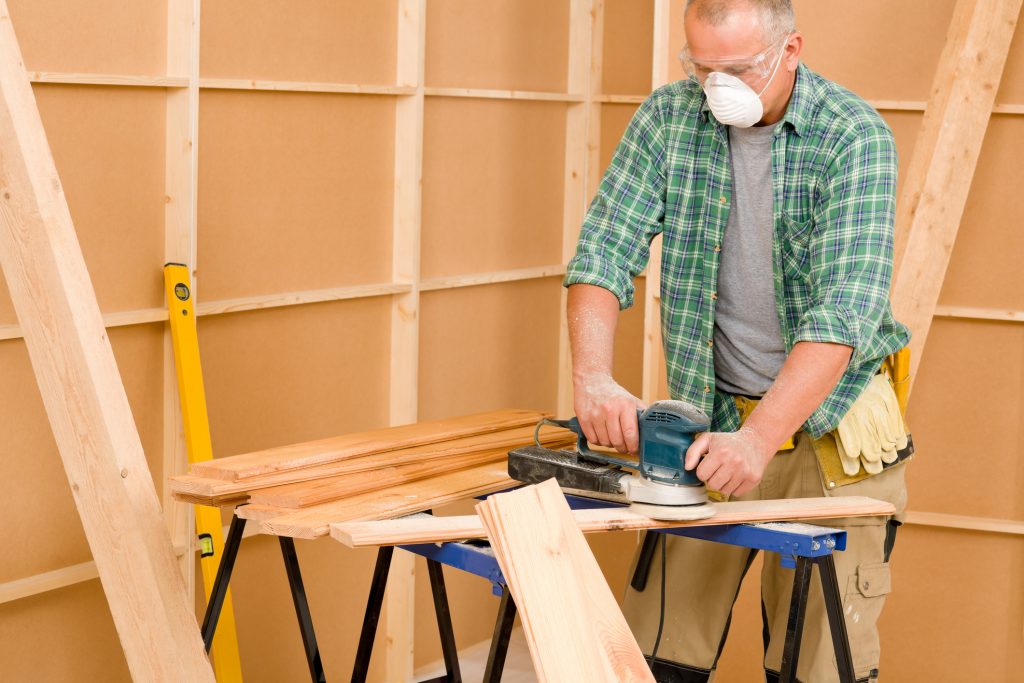
At Floor Sanders London, we know that no two wooden floors are the same. From timeless hardwood floors to character-rich softwoods like pine, each type of wood requires its own sanding method, tools, and level of care. If you’re planning a DIY renovation or simply want to better understand the process, this floor sanding guide will walk you through how to sand hardwood floors, softwood floors, parquet floors, engineered wood floors, and more, ensuring outstanding, long-lasting results.
Whether you’re restoring a Victorian pine floor, revitalising solid oak, or refreshing a delicate parquet pattern, this is the ultimate guide to understanding what your wooden floors need.
Why Floor Type Matters When Sanding
Many homeowners begin sanding without fully realising that each wood species responds differently to abrasion. Variables such as density, grain patterns, top-layer thickness, and age all influence:
- The type of sander required (orbital sander, drum sander, belt sander, hand sander, edging sander)
- The grit sequence required (coarse grit → fine grit → finer grit)
- Whether the wood can withstand deep sanding
- How many times can the floor be sanded
- The type of finish that will perform best (oil, lacquer, water-based)
Understanding your wood type is essential to avoid over-sanding, uneven patches, swirl marks, and irreversible damage.
Sanding Hardwood Floors: What You Must Know
Hardwood floors, including oak, walnut, ash, maple, and beech, are known for their durability and dense structure, but they require regular maintenance. These characteristics make them ideal for sanding, but they also require a strategic approach.
How to Sand Hardwood Floors: Step-by-Step
- Preparation – cleaning the floor: Begin by removing furniture, lifting staples, hammering down nails, and vacuuming the floor thoroughly. Dust and debris can create scratches during sanding.
- Start with a coarse grit: For most hardwood floors, a 36–40 coarse grit removes old finishes, dents, and surface scratches effectively.
- Use a drum sander or belt sander: A drum sander is your primary machine for hardwood floors because of its power and precision. Move in straight lines following the grain.
- Switch to finer grits: After the initial cut, move to 60 grit, then 80 or 100 grit for a smooth, even surface. Using finer grit progressively ensures the top layer is perfectly prepared.
- Use an edging sander and a hand sander: For skirting boards, corners, and edges, use an edging sander and a hand sander to preserve consistency across the floor.
- Vacuum the floor: Always vacuum between sanding stages to avoid dust interfering with the next pass.
- Finish with water-based or oil-based coatings: Hardwoods respond beautifully to water-based lacquers, which maintain their natural tone while offering excellent durability.
Sanding Parquet Floors: Precision Is Everything
Parquet floors—whether herringbone, chevron, mosaic, or basket-weave—are intricate patterns made from small wood blocks. They are elegant, but they require specialised care.
Why Parquet Needs a Different Sanding Method
The grain direction changes constantly due to the pattern. Using a drum sander risks tearing fibres or creating uneven results.
Best tools for parquet sanding:
- Orbital sander – for the main surface
- Edging sander – for edges
- Hand sander – for detailed areas
Best technique:
- Sand diagonally across the pattern
- Use moderate pressure
- Start with 40–60 grit
- Progress to 80–120 grit
Parquet floors typically have a thin top layer, especially if they’re engineered blocks, so avoid over-sanding.
Engineered Wood Floors: Can They Be Sanded?
One of the most common questions we hear from homeowners is:
“Can engineered wood floors be sanded?”
The answer: Yes—but with care.
Engineered flooring has a hardwood veneer (top layer), typically between 2 mm and 6mm thick. The thicker the layer, the more sanding cycles it can withstand.
Sanding Engineered Wood Floors: What to Know
- Avoid aggressive drum sanders on thin veneers
- Use orbital sanders to reduce the risk of sanding through the top layer
- Start with a fine grit (80 grit) whenever possible
- Never attempt coarse sanding unless the top layer is thick enough
- Always measure the top layer before working
If you are unsure whether your engineered floor can handle sanding, Floor Sanders London can inspect it and advise you accordingly.
| Wood Type | Recommended Tools | Grit Range / Notes |
| Hardwood Floors | Drum sander or Belt sander, Edging sander | Coarse grit 36–40 for initial cut, Fine grit 80–120 |
| Softwood Floors | Orbital sander (gentler), Belt sander with steady movement | Medium starting grits |
| Parquet Floors | Orbital sander only, Edging sander | Fine-grit papers |
| Engineered Floors | Orbital sander | Higher grits only, Careful top-layer assessment |
Most Common Mistakes to Avoid When Sanding Any Wooden Floor
We regularly see DIY enthusiasts run into the same problems. Avoid these common pitfalls:
- Starting with the wrong grit: Beginning too fine wastes time; starting too coarse creates deep scratches.
- Leaving the machine running in one spot: This can cause gouging, especially on softwood floors.
- Not vacuuming the floor between stages: Dust left behind affects adhesion and finish.
- Oversanding engineered wood: This can expose the plywood beneath the top layer.
- Not using edging sanders: This leaves visible height differences along the edges.
How to Choose the Right Finish for Your Wood Type
Your finishing choice affects durability, appearance, and maintenance levels.
For Hardwoods
- Water-based lacquer = natural look, durable
- Oil = rich tone but requires maintenance
For Softwoods (like pine)
- Water-based lacquer prevents yellowing
- Avoid dark oils unless you want a rustic appearance
For Parquet
- Water-based lacquer recommended
- Avoid thick oils that may pool in small blocks
- For Engineered Floors
- Choose light, thin water-based finishes
- Avoid sanding too aggressively between coats
Final Thoughts: Trust Floor Sanders London for Your Floor Sanding Needs
Floor sanding is not just about removing a layer; it’s about understanding your specific wood type and treating it with the correct level of care, equipment, and technique. From hardwood and softwood to engineered and parquet floors, each material has unique needs, and when handled correctly, the transformation is spectacular.
At Floor Sanders London, we offer:
- High-performance sanders (drum, belt, orbital, edging)
- Expert advice on grit selection
- Sander packages tailored to your project
- Wood floor accessories, consumables, and finishing products
- Guidance for DIY users and professional contractors
If you’re ready to restore the natural beauty of your wooden floors, we’re here to help every step of the way.
Ready to Transform Your Wooden Floors? Hire the Right Tools Today
At Floor Sanders London, we make professional-quality floor sanding accessible to everyone. Whether you’re refreshing tired hardwood floors, sanding pine floors, or restoring parquet, our floor sanding rentals give you access to powerful, industry-grade machines at competitive prices. Choose from our expertly curated sander packages, designed to suit different types of wood and project sizes, so you have everything you need from start to finish.
We don’t just hire tools—we share expert floor sanding tips to help you achieve flawless results. From selecting the correct grit sequence to using an edging sander safely, our guidance ensures confidence at every stage. Complete your setup with our full range of wooden floor tools and wooden floor accessories, including abrasives, fillers, and finishing essentials.
Need advice or help choosing the right equipment? Contact Floor Sanders London today and let our experienced team guide you towards beautifully restored wooden floors.
FAQs
1. Can all wooden floors be sanded?
A. Most can, but engineered wood depends on the thickness of its top layer.
2. How many times can hardwood floors be sanded?
A. Solid hardwood floors can usually be sanded 4–6 times, depending on thickness and condition.
3. Is sanding floors messy?
A. While sanding removes dust, using modern extractors and vacuuming the floor between passes keeps the mess to a minimum.
4. How long does floor sanding take?
A. A typical room can take one day to sand and another day to finish.
5. Should I sand floors myself or hire professionals?
A. You can DIY with the right sander package, but professional sanding ensures consistency, especially for parquet or engineered floors.